01 / FOUNDATION
Data & semantics
Give agents durable facts, portable records, and shared meaning.
Read the layer explainer →A REFERENCE ARCHITECTURE FOR COMPOSABLE AI
Build agentic systems from open data foundations, model choice, interchangeable harnesses, and portable standards, without surrendering the seams.
THE ANTHEM / VIDEO
A beat-synced visual manifesto for composable AI: open data foundations, model choice, interchangeable execution, and portable standards.
DEFINITION / 00
An open agentic platform is an architecture in which data, models, execution, and interoperability remain independently understandable and replaceable. “Open” may describe source, weights, formats, or interfaces. A trustworthy architecture labels the difference instead of flattening it.
ARCHITECTURE / 01 TO 04
Each layer answers a different question. Together they turn model capability into durable, governable work. Every name below has a full explanation in the knowledge base. Names marked ↗ are example implementations Alex Merced builds; their full pages live on alexmercedai.com.
Give agents durable facts, portable records, and shared meaning.
Read the layer explainer →Choose models by task, policy, economics, and deployment needs.
Read the layer explainer →Turn intent into governed work with interchangeable runtimes.
Read the layer explainer →Make skills, context, profiles, and graphs portable across tools.
Read the layer explainer →THE OPENNESS TEST / 06
A pile of open-source parts can still produce a closed architecture. Test the relationships as carefully as the licenses.
Can one component be swapped without rebuilding the system?
Can a builder understand what runs and why?
Can identity, skills, context, and work move?
Are authority and approval requirements explicit?
Do agents share durable data and semantic meaning?
Can people reconstruct decisions and outcomes?
SCORE YOUR STACK →Interactive, runs in your browser. Download the result as JSON or print it.
WORKED SCORECARDS
These are illustrative designs, not ratings of named vendors. Give each test 0 (absent), 1 (partial), or 2 (demonstrated). Record the evidence before buying or building.
| Test | Composable stack | Single-suite stack |
|---|---|---|
| Replaceable | 2: engine and model APIs are swappable | 0: proprietary orchestration couples both |
| Inspectable | 2: prompts, tools, and traces are exported | 1: console shows traces but no export |
| Portable | 2: profile and work use open schemas | 0: agent state is trapped in the suite |
| Bounded | 2: explicit tool scopes and approvals | 1: role permissions without per-action approval |
| Grounded | 2: governed metrics and versioned tables | 1: connected data without shared metrics |
| Auditable | 2: run, approval, and data versions recorded | 1: partial logs with short retention |
| Total | 12 / 12 | 4 / 12 |
Use the knowledge base to define each criterion, then score your own deployment with evidence in the interactive openness scorecard.
A PRACTICAL PATH / 06
Start with durable context. Add intelligence and execution only after control boundaries are clear.
Choose open formats, a catalog, and a semantic layer that agents and people can share.
Express identity, skills, tools, workflows, policy, and approval points in portable forms.
Select models, routers, brokers, and harnesses according to the work, not brand gravity.
Retain evidence, evaluate outcomes, and replace components as requirements change.
THE OPEN AI LIBRARY / 07
Alex Merced has written 31 nonfiction books on AI, agents, semantic context, production architecture, and the data foundations beneath them.
Browse the complete book catalog ↗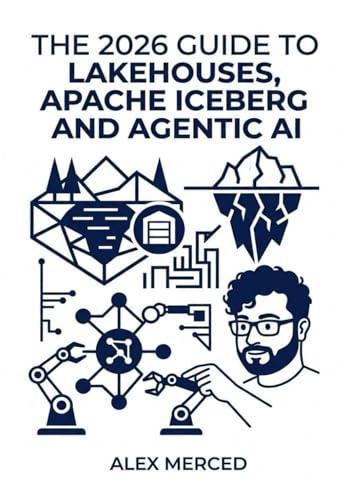 01
01A comprehensive guide to lakehouse architecture and AI.
About the book ↗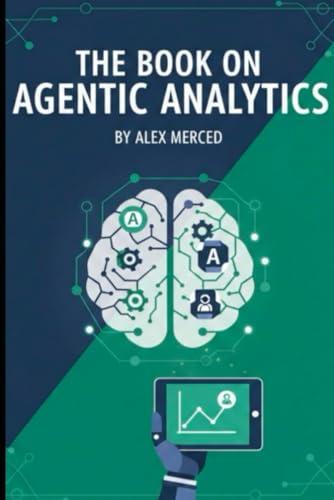 02
02Foundations of agentic data architecture.
About the book ↗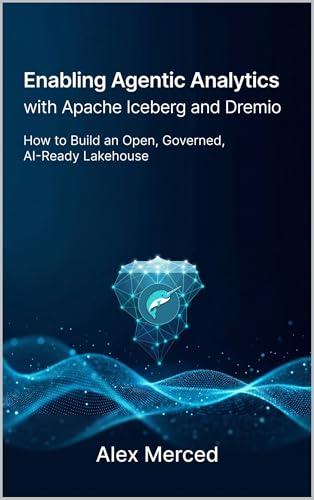 03
03Building AI-ready lakehouse systems.
About the book ↗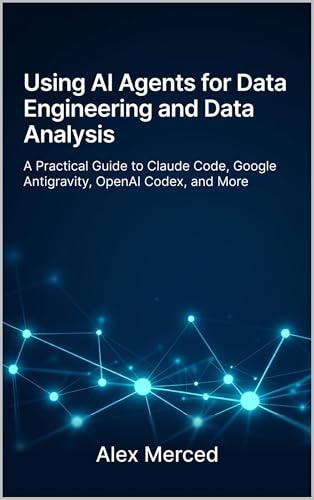 04
04A practical guide to AI-driven workflows.
About the book ↗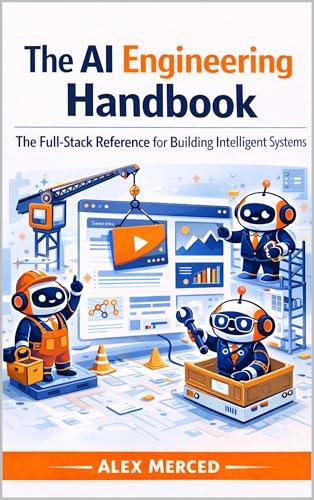 05
05A full-stack reference for AI systems.
About the book ↗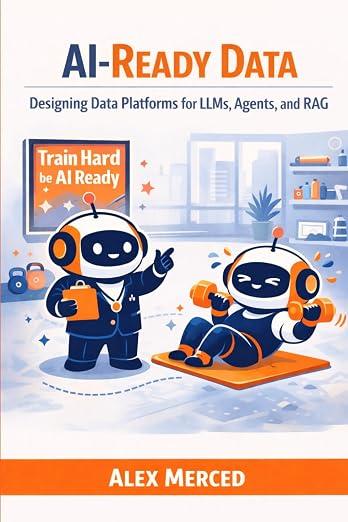 06
06Designing data platforms for LLMs, agents, and RAG.
About the book ↗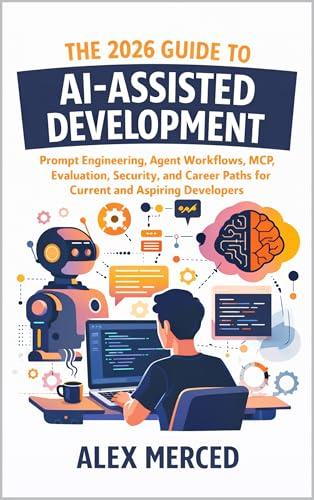 07
07Prompt engineering and agent workflows.
About the book ↗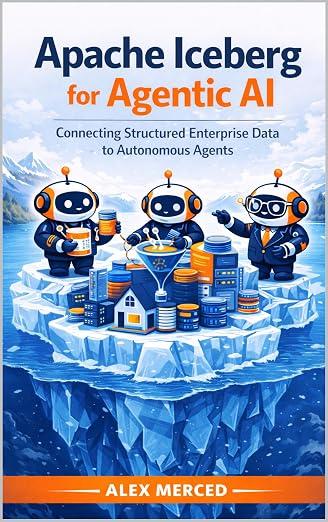 08
08Connecting structured enterprise data to agentic systems.
About the book ↗ 09
09Deploying AI agents across the modern organization.
About the book ↗ 10
10Building the context and meaning agents need.
About the book ↗ 11
11Testing LLMs, RAG, and agents.
About the book ↗ 12
12Disruption, adaptation, and the changing labor market.
About the book ↗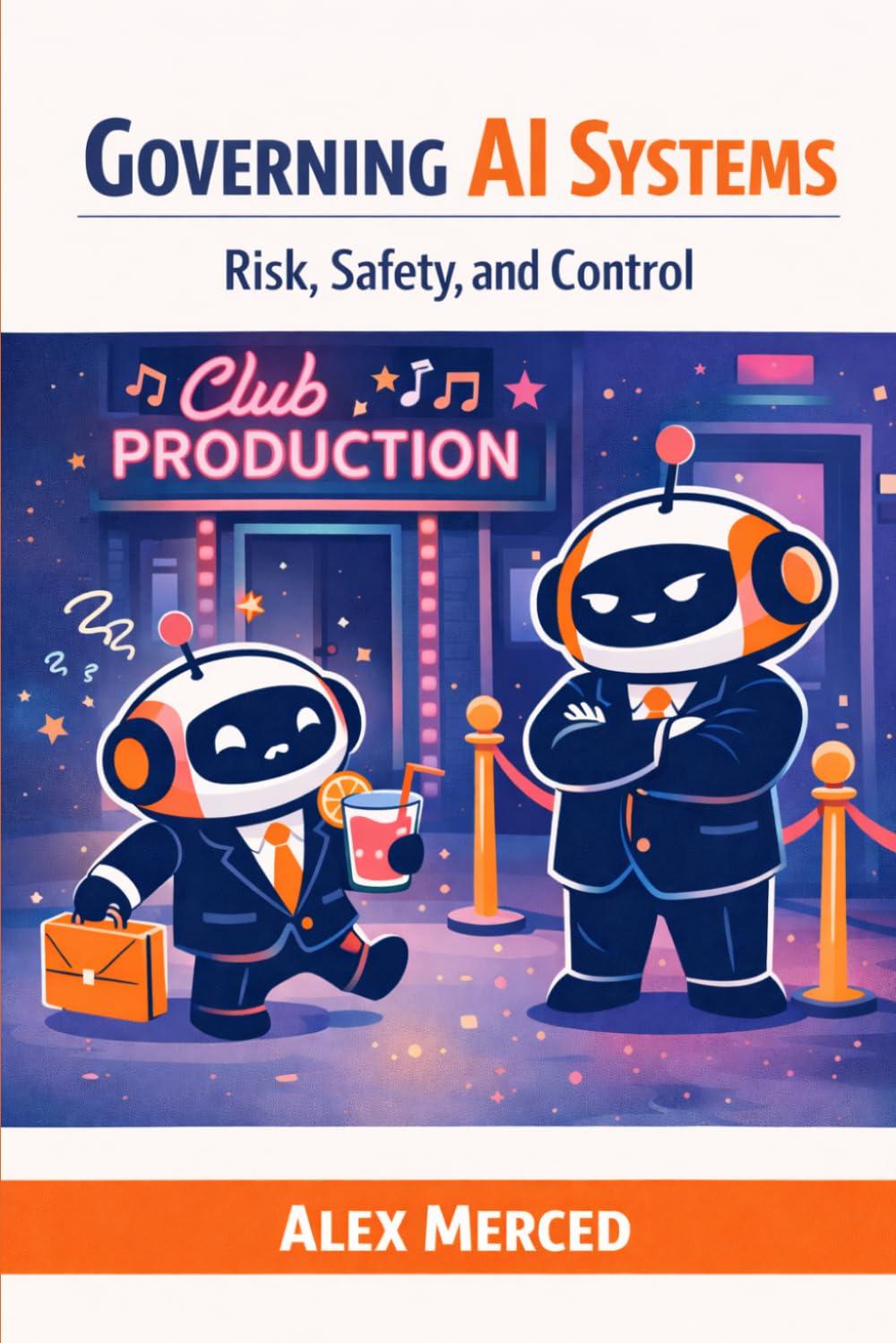 13
13Practical approaches to accountable AI governance.
About the book ↗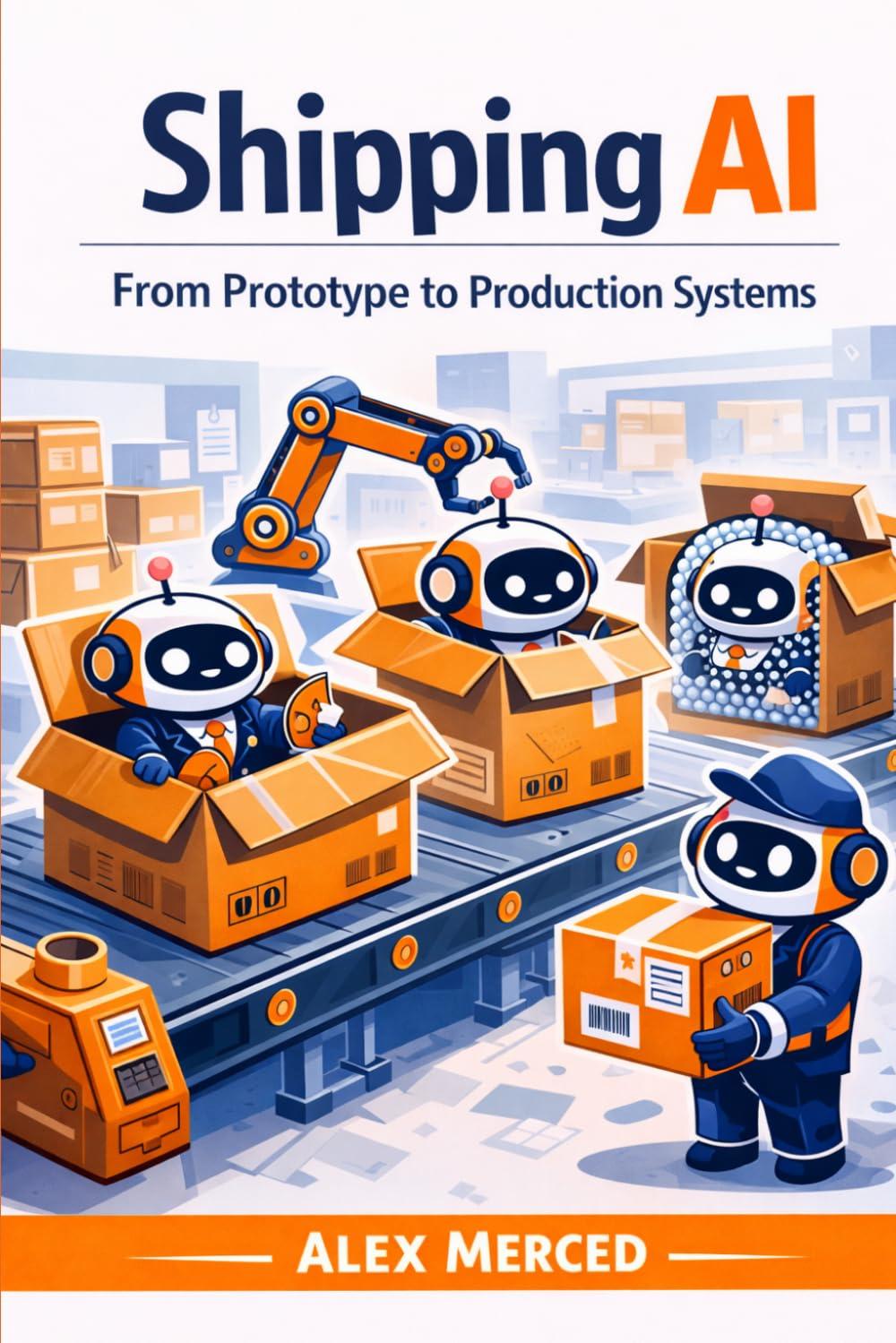 14
14Taking AI from prototype to production systems.
About the book ↗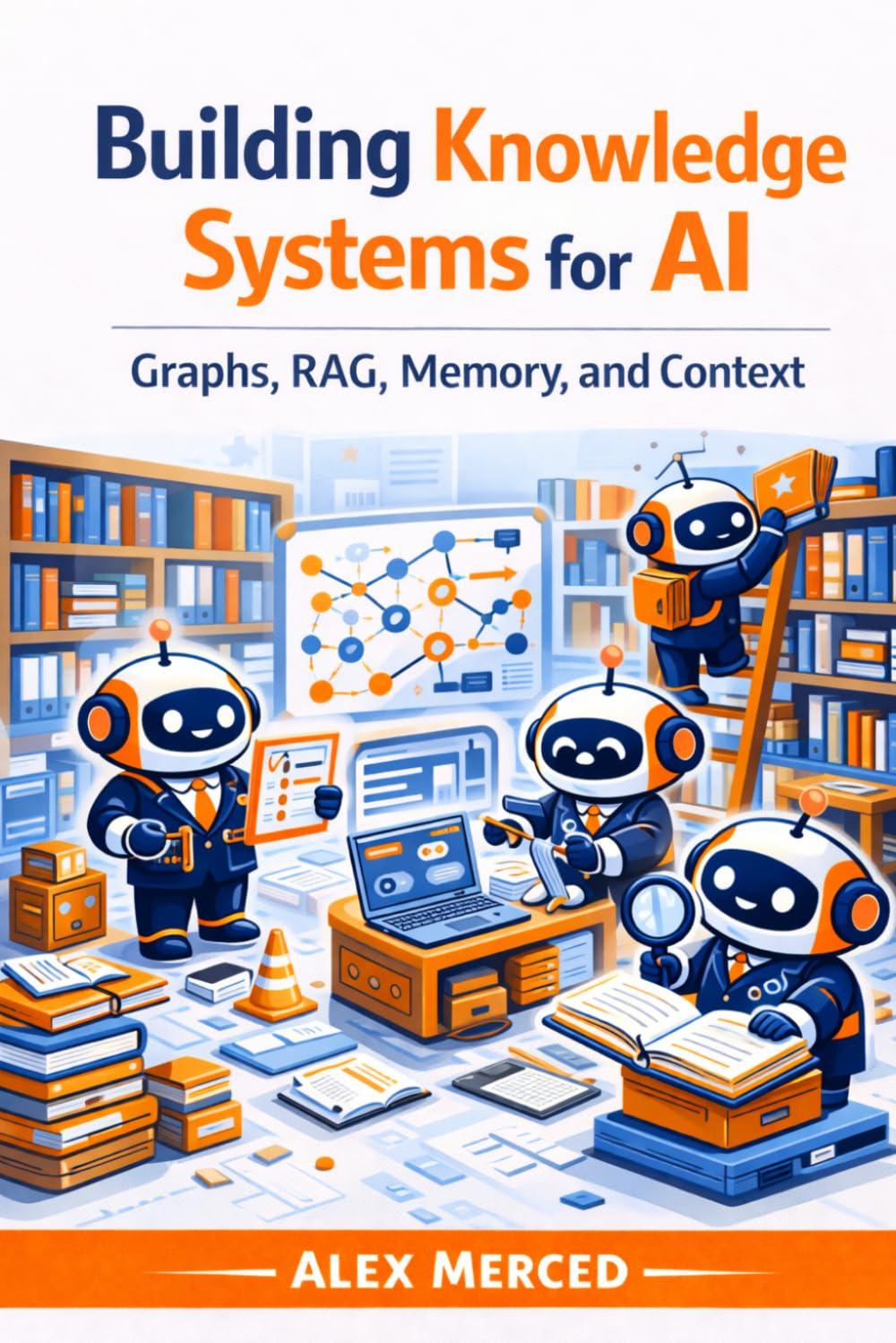 15
15Graphs, RAG, memory, and context.
About the book ↗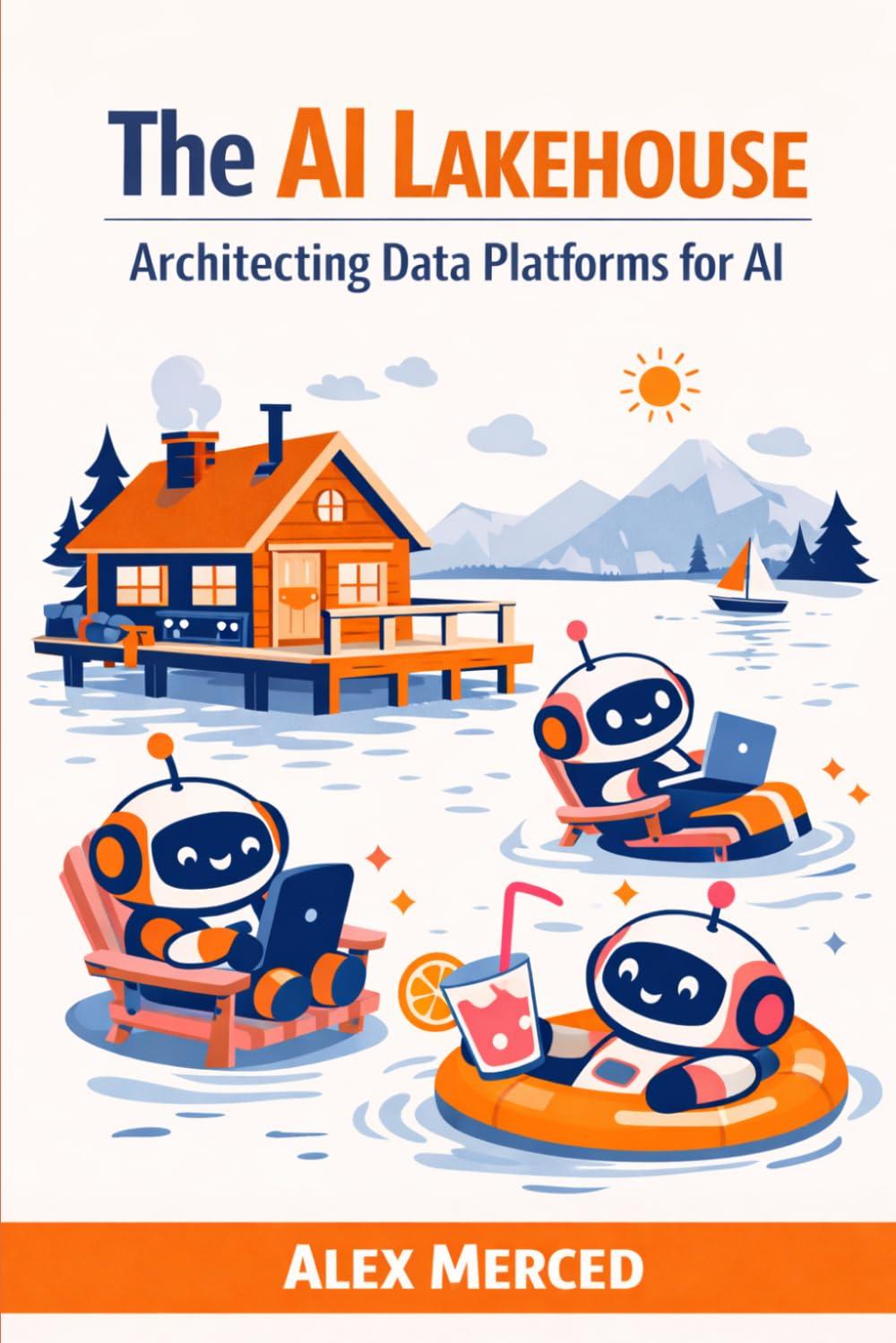 16
16Architecting data platforms for AI.
About the book ↗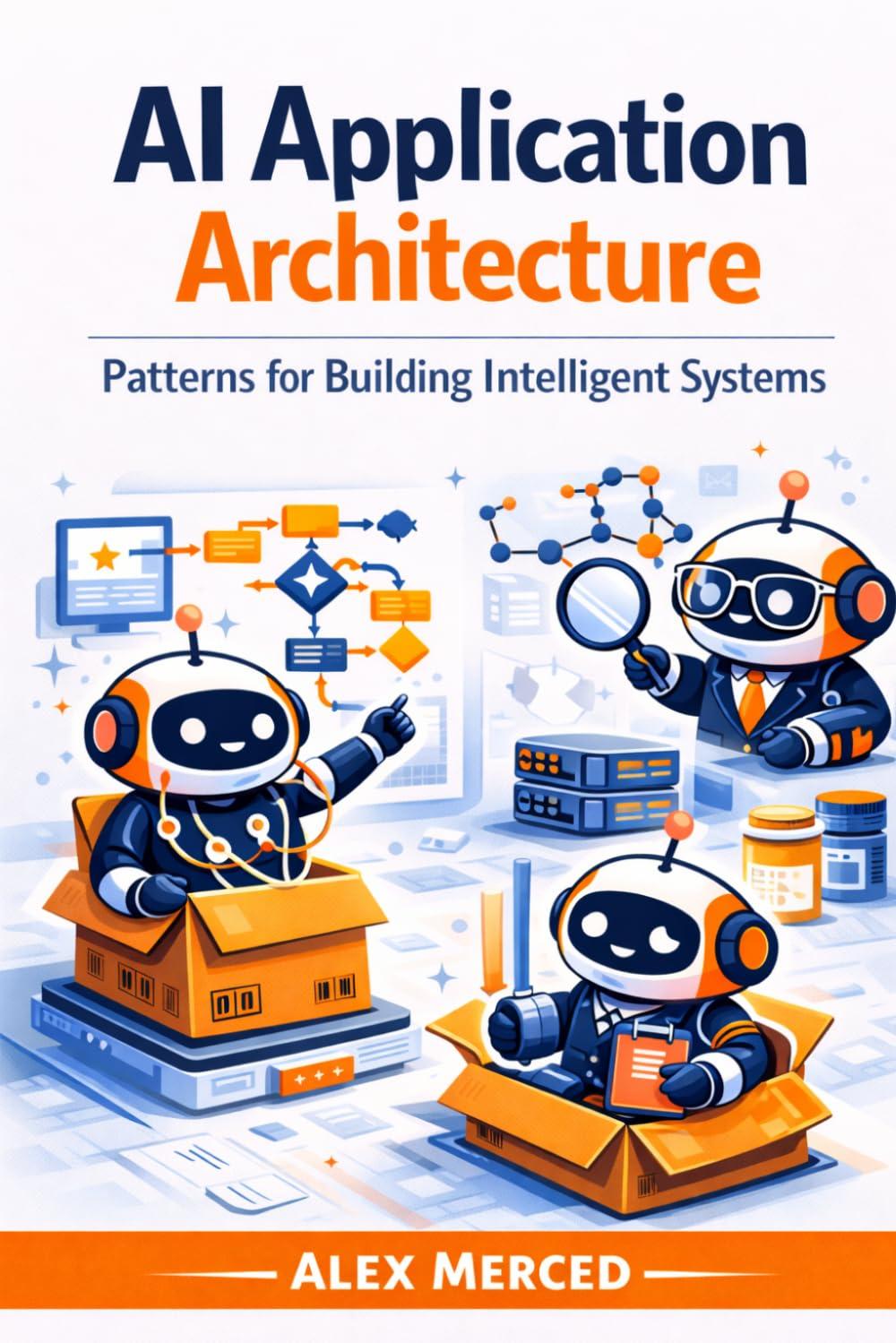 17
17Patterns for building intelligent systems.
About the book ↗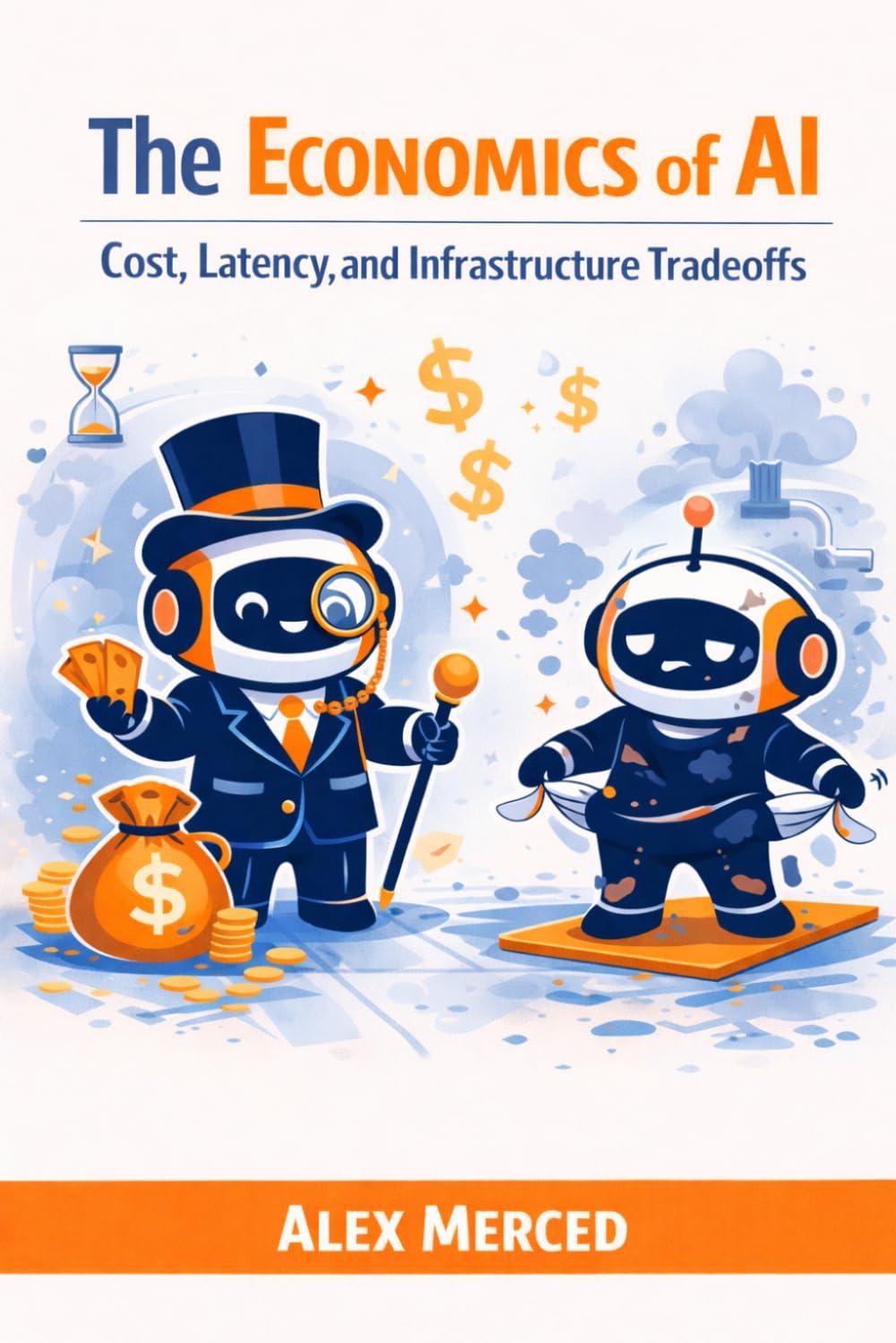 18
18Cost, latency, and infrastructure tradeoffs.
About the book ↗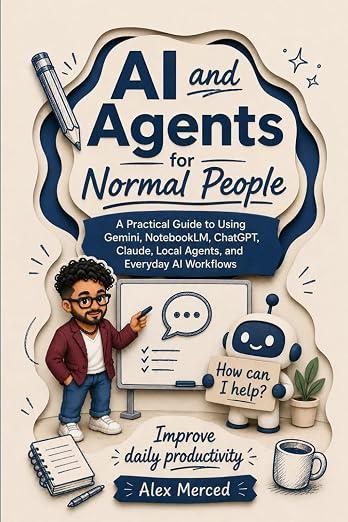 19
19Everyday AI tools explained without technical jargon.
About the book ↗ 20
20Portable lakehouse architecture with open catalogs and agents.
About the book ↗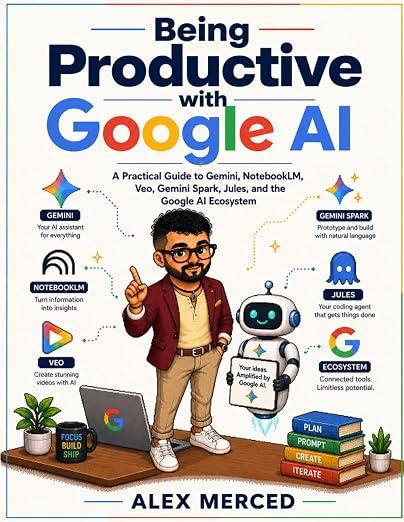 21
21Gemini, NotebookLM, Veo, Gemini Spark, and Jules.
About the book ↗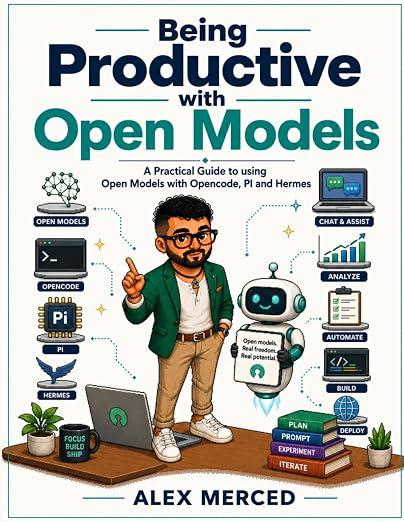 22
22Open models with OpenCode, Pi, and Hermes.
About the book ↗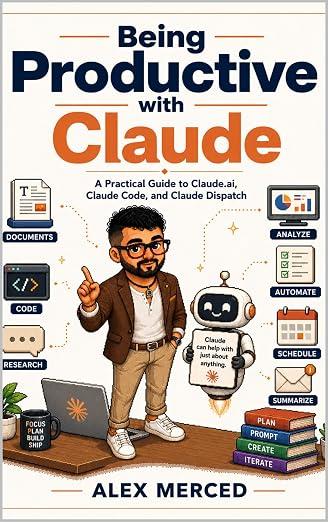 23
23Claude.ai, Claude Code, and Claude Dispatch.
About the book ↗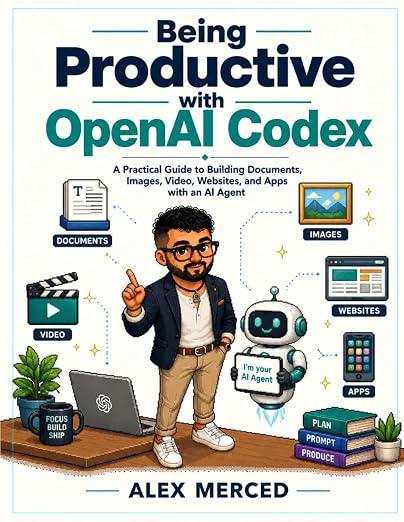 24
24Building documents, media, websites, and applications with Codex.
About the book ↗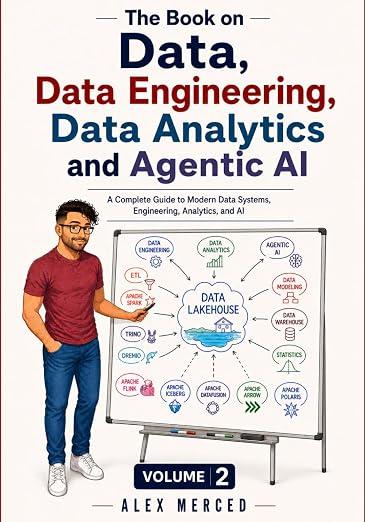 25
25SQL analytics, BI, and agentic AI for modern data platforms.
About the book ↗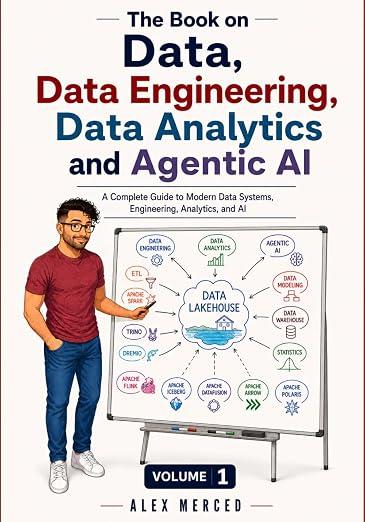 26
26Modern data systems, engineering, analytics, and AI.
About the book ↗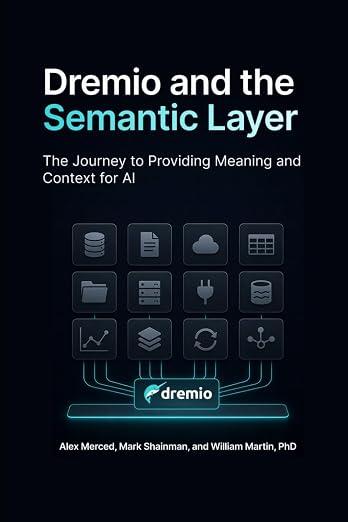 27
27Providing meaning and context for AI.
About the book ↗ 28
28A practical guide to building multi-agent systems.
About the book ↗ 29
29From laptop prototypes to enterprise-scale agentic AI.
About the book ↗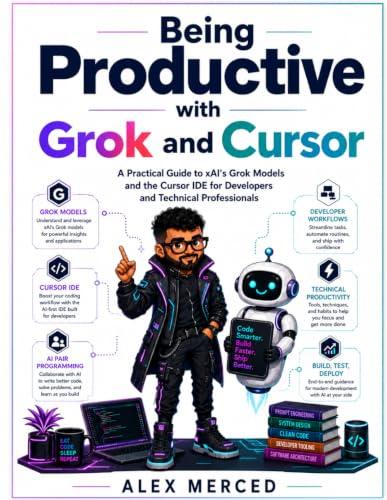 30
30Grok, Cursor, MCP, and local-model development workflows.
About the book ↗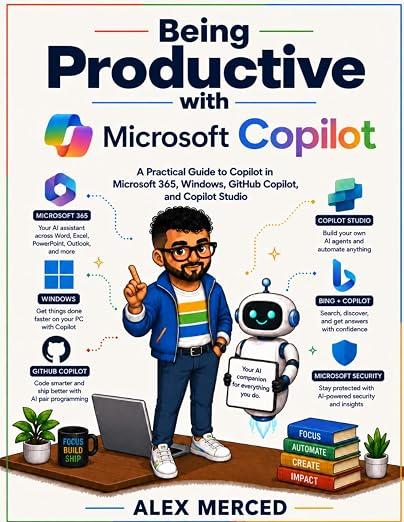 31
31The Microsoft Copilot and GitHub Copilot ecosystem.
About the book ↗Scroll to explore all 31 titles →